Parenting classes in English and Spanish
Ten live classes on Zoom for parents and caregivers, with or without a court, CPS, or probation referral.
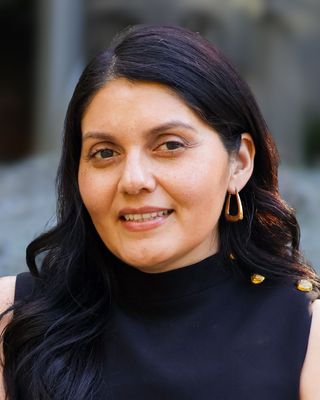
Taught by Roselia M. Ortega, LCSW
California License #136827
10+ years in social services
- Program
- 10 classes 90 minutes each
- Contact hours
- 15 hours Listed on your certificate
- Cost
- $75 per class $750 for all 10
- English group
- Wednesdays 6:00–7:30 pm Pacific
- Spanish group
- Thursdays 6:00–7:30 pm Pacific
- Where
- Live on Zoom Next cohort begins October 1
Before you enroll: Referral acceptance varies by court, county, and case type. Please confirm with your attorney, caseworker, or probation officer that this class and its certificate meet your specific requirement before enrolling.
What the 10 classes cover
The classes run in order, from understanding your child to a written parenting plan you keep. Open any class to see its topics.
-
Class 1, Foundations: healthy families, values, and ground rules How the program works, and what your family already does well.
Topics: orientation, attendance and reporting rules, confidentiality and its limits, family strengths, and parenting values.
-
Class 2, Age-appropriate expectations: development and skills What children can handle at each age, and expectations that fit.
Topics: developmental stages, age-appropriate chores and responsibilities, expectation mismatches, and effects of instability on functioning.
-
Class 3, Understanding your child’s emotions Helping your child name big feelings, and the need beneath a behavior.
Topics: emotion coaching, naming feelings, temperament and goodness of fit, co-regulation, and the need beneath a behavior.
-
Class 4, Managing your own emotions: stress, anger, and repair Noticing your own stress building, and repairing after a hard moment.
Topics: the escalation cycle and warning signs, triggers, practical regulation strategies, repair after losing control, and modeling.
-
Class 5, Structure, routines, and clear limits Routines, clear directions, and following through the same way each time.
Topics: routines, clear directions, rules vs. expectations, when-then statements, follow-through, and consistency across caregivers.
-
Class 6, Discipline that teaches Consequences that teach, and alternatives to physical discipline.
Topics: discipline vs. punishment, natural and logical consequences, time-out and time-in, alternatives to physical discipline, and matching discipline to stage.
-
Class 7, Communication and connection Listening well, saying what you need clearly, and encouraging your child.
Topics: reflective listening, I-statements, nonverbal and assertive communication, and praise vs. encouragement.
-
Class 8, Shared caregiving: conflict, communication, and problem-solving Keeping children out of adult conflict, and solving problems with other caregivers.
Topics: the impact of adult conflict, keeping children out of the middle, business-style communication, and structured problem-solving.
Where domestic violence is present, the class uses a parallel-parenting approach.
-
Class 9, Blended families, shared caregiving, and family meetings Adjusting to a new family shape, and keeping rules steady across households.
Topics: adjustment timelines, loyalty binds, the stepparent and partner role, rules across households, and family meetings.
-
Class 10, Safety and your plan forward Safety at home and online, local resources, and a written plan to keep.
Topics: supervision by age, home and online safety, body safety and abuse prevention, recognizing when a child is struggling, local referral resources, and a written parenting plan.
Certificate of completion
- Participant name
- Program title
- Dates attended
- Total contact hours 15
- Topics covered
- Facilitator’s name and license number
Completing the program
- Complete all 10 classes.
- Attendance is recorded when you sign in and when you sign out.
- Arriving more than 10 minutes late counts as a missed class.
- Make up a missed class in a make-up session, or by attending that class with another cohort.
Who the classes are for
The program is structured to meet common family court, CPS, and probation parenting class requirements, and it’s open to any parent without a referral. Nobody is asked to explain why they’re there.
- Parents and caregivers referred by family court, CPS, or probation
- Parents with no case and no referral
- Co-parents and stepparents
- Grandparents, and foster and kinship caregivers
- Spanish-speaking parents, in the Thursday group
These classes are parent education, not therapy.
For attorneys, social workers, and probation officers
With the participant’s signed consent, referring parties receive:
- Enrollment confirmation with the cohort start date
- Attendance records
- Written progress reports, weekly or on request
- The certificate of completion
- Prompt notice of withdrawal or attendance concerns
The class includes no assessment, diagnosis, or treatment. Completion is not an evaluation of parenting capacity, and it is not a custody or placement recommendation. If a participant seems to need clinical care, the facilitator provides referral information.
To refer a parent, or to request the referral packet, full curriculum outline, a sample progress report, or a sample certificate, call (209) 209-5470 or email info@relievecounseling.com.
Common questions
Will this meet my court, CPS, or probation requirement?
The court or agency that referred you decides that, and acceptance varies by court, county, and case type. Please confirm with your attorney, caseworker, or probation officer before you enroll.
Relieve Counseling is not a certified or court-designated program provider; California does not certify parenting education providers. Acceptance of this program toward a case plan or court order is determined by the referring agency or court.
What gets shared with my caseworker, attorney, or the court?
Only what you agree to in writing: your enrollment, attendance records, progress reports, and certificate. The consent form you sign at intake spells out what is shared and with whom, and it’s reviewed aloud in class 1.
The same form explains Roselia’s duties as a mandated reporter, which are separate from what you agree to share.
What if I miss a class or run late?
You need to complete all 10 classes. If you miss one, you can make it up in a make-up session or by attending that class with another cohort.
Arriving more than 10 minutes late counts as a missed class. Attendance is recorded at sign-in and sign-out.
What do I need to join on Zoom?
A phone, tablet, or computer with an internet connection. We send you the Zoom link when your spot is confirmed.
Does finishing say anything about my custody case?
No. Your certificate shows that you completed the program. It is not a parenting evaluation, and it is not a custody or placement recommendation.
Is anything kept on file about me?
Your enrollment, your attendance, and the forms you sign. There are no diagnosis or treatment notes, because the classes include no assessment, diagnosis, or treatment.
Request a spot
Groups are small, 5 to 10 parents.
Next cohort begins October 1.
- Send this form. It doesn’t commit you.
- We reply with your cohort start date and how to pay.
- Complete intake forms, including consent.
- Join your first class on Zoom.
Questions first? Call (209) 209-5470.
Request sent
We’ll reply with your cohort start date and how to pay. If you don’t hear back, call (209) 209-5470.